Steam Stones: The Best Sauna Rocks Ever Invented (2026)

If you already have some basic info on saunas, you know that sauna rocks are an essential part of them.
Sauna stones retain heat, spread the heat when water is thrown on them, and produce steam which is the whole point of a traditional sauna.
And yes, you’re supposed to throw water on the rocks (and quite plenty of it!), which can’t be emphasized enough, especially when talking to an English-speaking audience.
Depending on where you live, sauna rocks can be rather expensive, considering you can pick rocks yourself from the outdoors.
Although using self-picked sauna rocks voids your sauna heater’s possible warranty and carries other risks, such as them containing asbestos, or porous rocks popping (which doesn’t happen with real sauna rocks until they age), it still is possible to get sauna rocks from nature for free.
But what you can’t get from the outdoors is steam stones for sauna!

I’ve been using steam stones in two indoor saunas for over 20 years and have nothing but good things to say about them.
Let’s find out what kind of stones they are, what they do, and why you might want to try them for yourself.
Steam Stones: The Secret Behind Humid Sauna Experiences
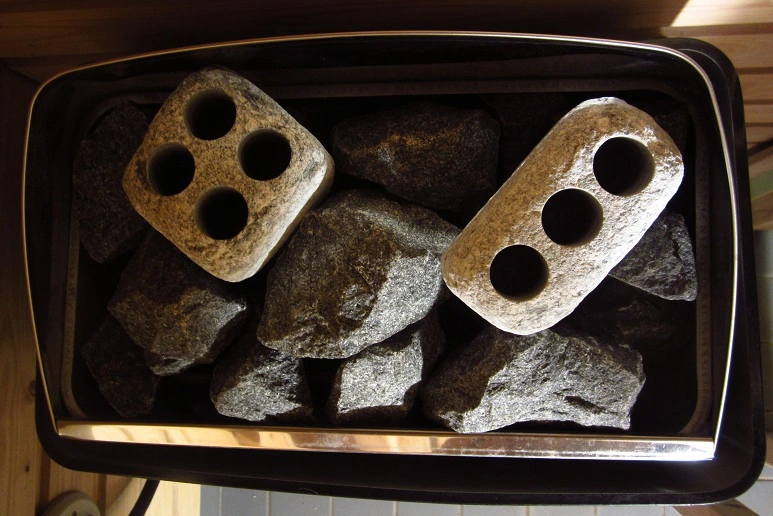
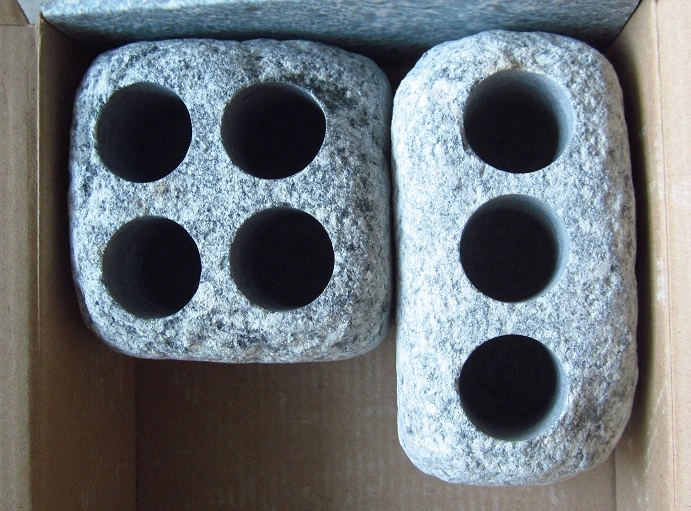
Steam stones are sauna rocks made of soapstone that have water cups drilled into them.
You fill the cups with warm water, and as the water boils in them during your sauna session, you get more steam and humidity than you would without them.
Steam and humidity are exactly what most sauna-goers prefer, not dryness and too hot temperatures. Steam stones therefore not only encapsulate the best elements of saunaing but take them to another level.
Being heavy and sturdy, they retain heat very well too and are extremely long-lasting compared to normal sauna rocks that you should replace every few years.
The steam stones below have been used for over 20 years, and they still haven’t cracked or crumbled in any way:

My own, current Harvia sauna heater is only a few years old, equipped with new sauna rocks, and new steam stones that I installed in spring 2024.
One important thing to know about soapstone as a sauna rock material is that it’s very durable only when used on top of other sauna rocks.
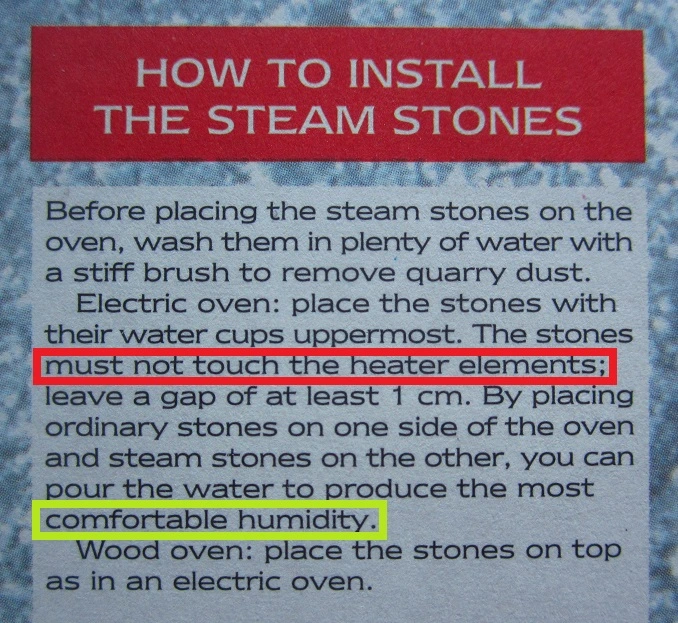
Most soapstone sellers mention this clearly in their installation instructions: sauna rocks made of soapstone are not allowed to touch the heating elements of electric sauna heaters.
So, whenever you see regularly shaped sauna rocks for sale and made of soapstone (yes, they do exist especially in not-so-reputable sauna shops), you should know they’re not the best choice for your sauna heater.
Only when placed on top of other rocks, then soapstone can be amazing, just like the ones featured here. They’re specially made, and much heavier and denser than any other sauna rocks.
Steam stones for sauna are a Finnish invention, similarly as most sauna-related products, and sold by a brand called Hukka (means wolf in dialectal Finnish). Their products are sold in and/or shipped to the US, Canada, the UK, and Australia as well.
How to Install and Use Steam Stones
When installing the stones, just make sure that
🔶 they’re not touching the heating elements (not a concern if you have a wood-burning sauna stove); there should be at least 0.4 inches (1 cm) of space between the elements and the stones
🔶 the stones won’t tilt too much: they don’t have to be placed completely horizontally, but you also don’t want them tilting too much, as it makes pouring water into the cups more difficult
🔶 the stones aren’t loose to the touch: they should rest firmly against other sauna rocks
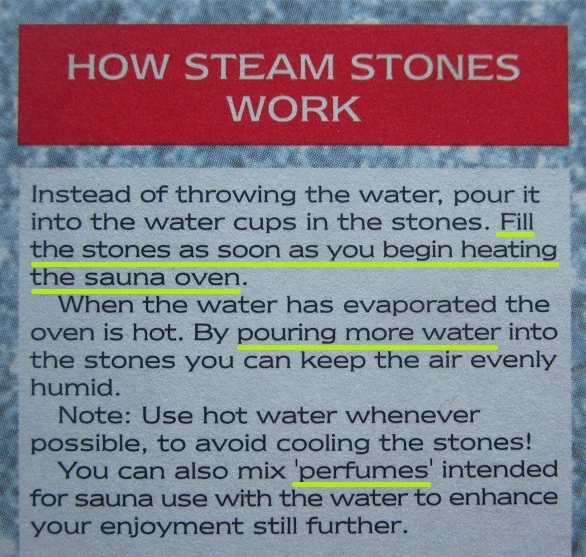
One thing that’s extra nice with steam stones is that you can fill them with water (and essential oils intended for sauna use) before you start heating your sauna.
That’s actually something I wouldn’t have even thought of if I hadn’t read the instructions. When we first started using steam stones over 20 years ago, we always just threw water normally during saunaing.
But when you fill the water cups already before saunaing, you’ll know when the sauna is ready to use (it’s once the cups have emptied), and there’s already more humidity in the air when you begin your sauna session.
As you keep saunaing, you’re supposed to pour even more water to refill the cups.
Steam Stones & Sauna Essential Oils
If you like aromatherapy and want to use sauna essential oils with your steam stones, that’s a great idea. I’ve personally been using essential oils intended for saunas for several years.
Just always remember this: if you fill the cups with water (and sauna essential oils) already before saunaing (= when the heater is off and therefore cold), that’s the only time and moment you can use your hands.
Once the heater is on and heating the sauna, you can only fill the cups using your sauna ladle with a long handle to avoid burns.
Below, I have filled the holes with water and added a few drops of smoke sauna essential oil, so this obviously happened before turning the heater on:

Emendo is the most established sauna essential oil brand, and although it’s sold in Canada and the US too, you can’t find any English text on the bottles (only Finnish and Swedish)!
Final Thoughts + When You Can Happily Sauna Without Steam Stones
Steam stones are not a must sauna product, but once you’ve tried them, it can be lame to go back to just having regular sauna rocks.
Several other reviewers agree that these stones make your sauna experiences better than before, bringing out the best of saunaing with lots of humidity and steam:

As great as steam stones can be, there are still several situations where you can easily do without them.
I initially published my steam stone article in 2024 and had a reader approach me about it in 2026. They said they had purchased two square Hukka Höyrykivet Steam Stones, set them in different locations on top of, as well as nested into, the stones of their old Harvia wood sauna stove, and tested them at various temps from 150 F to 210 F.
They still weren’t too impressed:
“Best I can get is a bit of bubbling in an occasional hole, and sometimes a volcano effect for a moment – once. So I’m wondering what I’m missing here – and mostly thinking I simply prefer the immediate response of simply splashing water on the stones. 🙂 Any advice? Thanks!”
This is actually a very legitimate and valuable user experience, so I thanked them for the feedback and will now share the crux of my reply.
Special steam stones are more ideal for electric sauna heaters, since they easily produce drier heat. That extra steam you get from steam stones is more appreciated and even just noticed when humidity is significantly lower in an electrically heated sauna.
Wood stoves, on the other hand, already by default give you more wholesome, enveloping and more long-lasting heat and steam in a really balanced way (unlike electric heaters that can give you really sharp/stingy heat and löyly that can also be very short-lived especially in small saunas).
That’s why it’s possible to barely notice the difference steam stones bring.
To be fair, steam stones are not meant for electric heaters only, and even the instructions I shared above mention wood stoves too, but based on my own experiences and comments of others, you get much more out of them when they’re used with electric heaters.
One thing I want to add here that I didn’t in my original reply is that there are cases when steam stones can be meh even with electric sauna heaters: if you have a modern heater with plenty of rocks, let’s say 130–175 lbs, then your heater is already producing so much steam that Hukka-type steam stones can’t really bring you anything extra.
I noticed this first-hand when my dad’s old Helo electric sauna heater (pictured above with steam stones) was recently replaced with a new one. The old one had a stone capacity of 44 lbs (20 kg), while the new one’s equivalent is 175 lbs (80 kg). The new heater emulates a massive wood sauna stone, bringing lots of löyly and therefore making special steam stones redundant.
This means that steam stones have the most to offer when you have a traditional, wall-mounted sauna heater with a stone capacity of ~45 lbs. Since that’s a very common and popular model/size, it explains why so many people love steam stones (and why you probably won’t if your heater holds much more rocks).
If you want to see how steam stones behave and make water erupt in just the right setting (= in a properly sized, electric sauna heater), you can see me pouring water on them in my sauna in the video above. Then you can easily assess whether you could achieve and would appreciate this kind of volcano effect in your sauna.